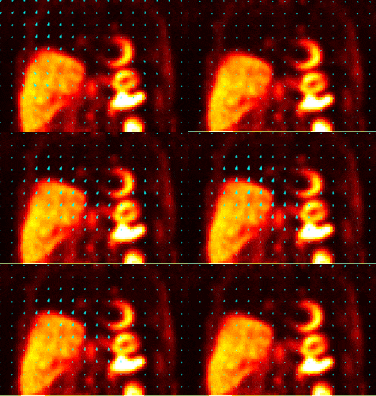
Removing the blur from medical images
For meaningful applications

Unsedated pediatric imaging
Sedation for children younger than 7 years of age is typically needed. However, anesthetic agents are neurotoxic. Instead of physically or pharmaceutically immobilizing the patient, advanced motion correction techniques enable scanning without sedation.
Beat-by-beat cardiac imaging
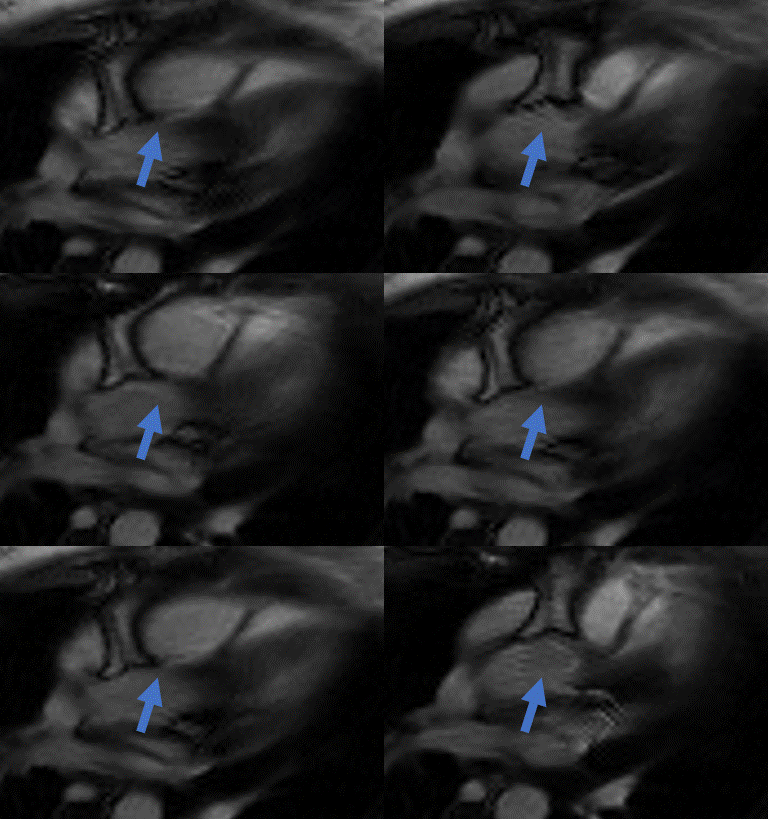
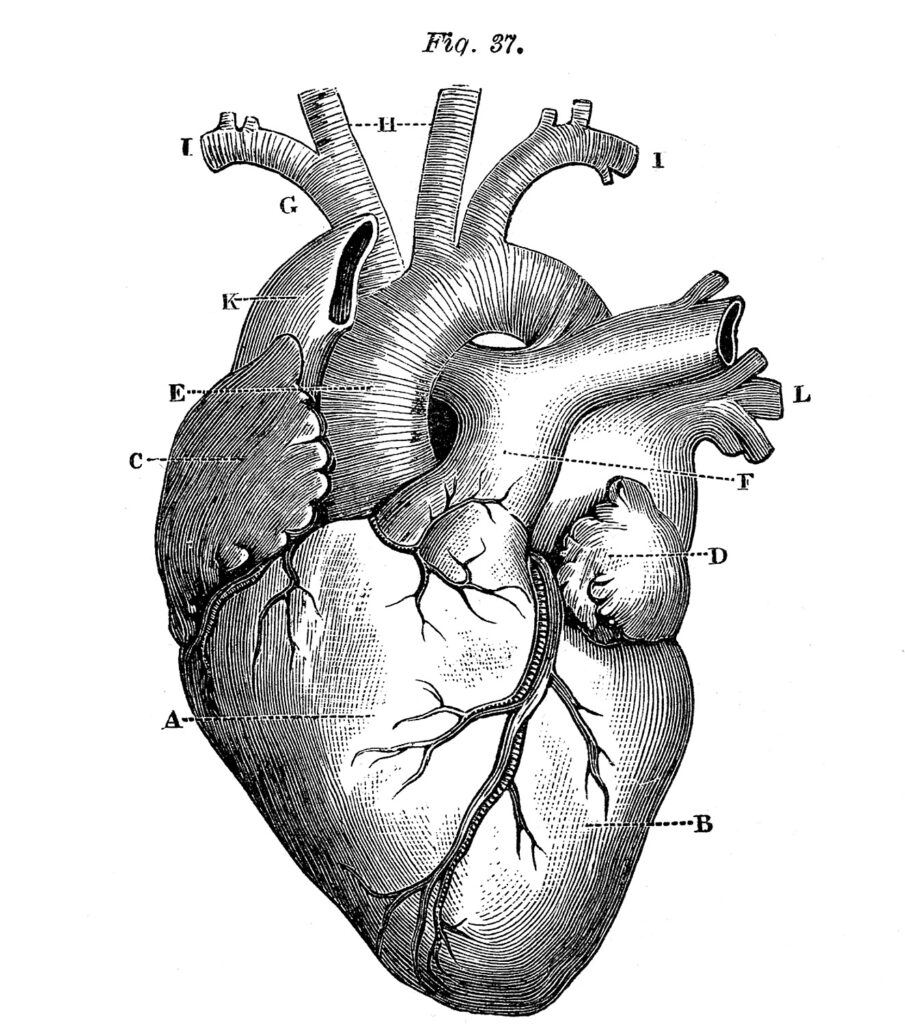
In cardiac imaging, depicting both the anatomy and its motion is of equal importance. Beat-by-beat cardiac imaging offers unprecedented quantitative imaging possibilities in arrhythmic cardiomyopathies.
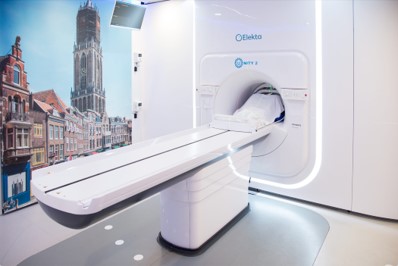
PET- and SPECT-guided radiotherapy
PET- and SPECT-guided radiotherapy offers unique possibilities to integrate functional information into the radiotherapy workflow. Visualizing and mitigating the effects of all motion during both target definition (PET/SPECT) and irradiation (MR-linac) will greatly enhance the precision of biology-guided radiotherapy.
Embracing motion
Our approach to motion
In medical imaging, motion has traditionally been viewed as an obstacle — an artifact to be suppressed, corrected or avoided. We embrace motion.
Motion model
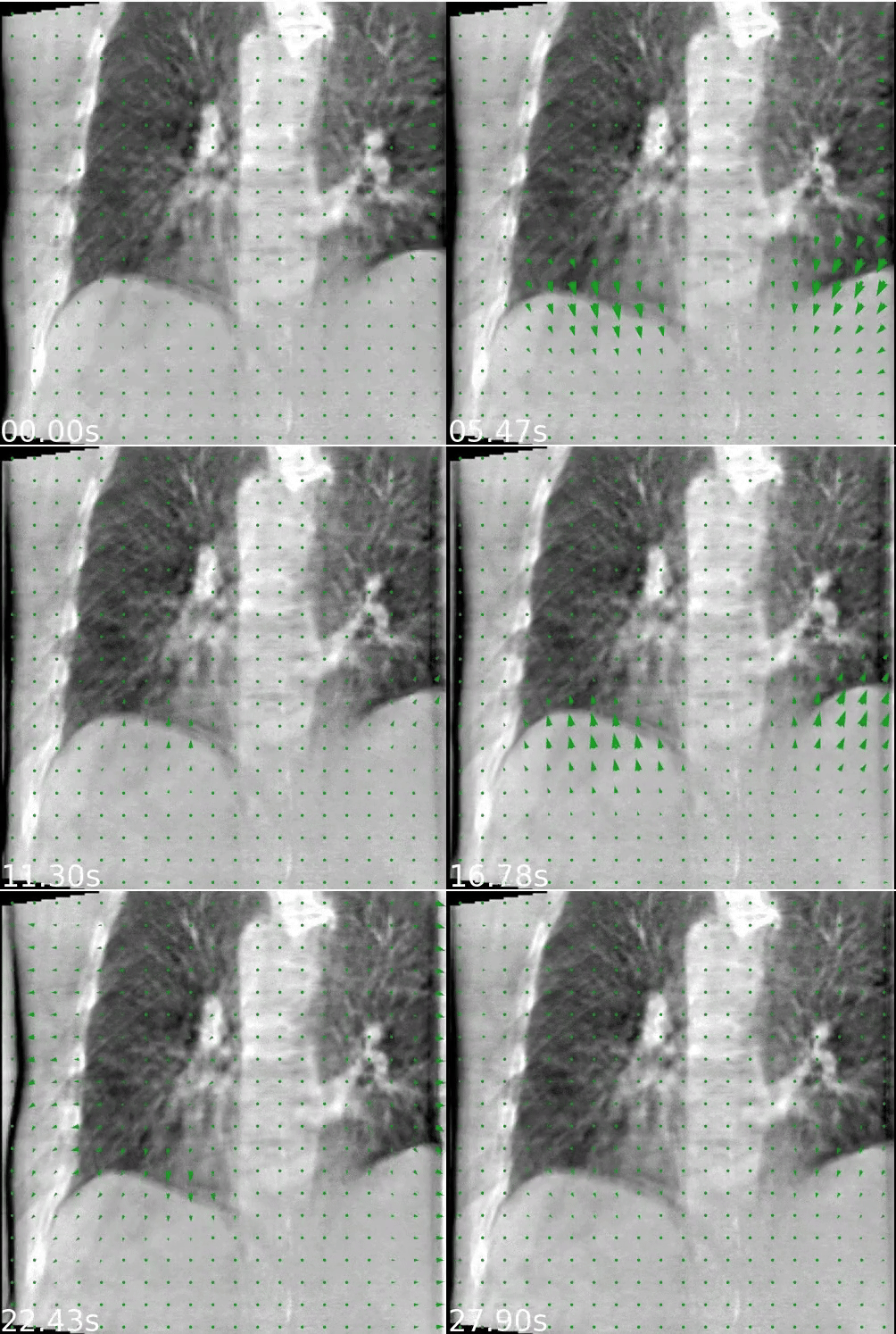
Uniquely ‘fitting’ a motion model to very short timeframes, simultaneously compensates for and retrieves motion.
From tomographic image to video
Transforming tomographic images into videos stands to redefine how motion during imaging is understood and utilized.