Utrecht PET/MRI
Pathophysiological guidance for small moving target volumes
Ambition
The Unity 1.5T MR-linac was clinically introduced to achieve stereotactic accuracy for tracking moving targets. We set out to test whether combining the MR-linac with PET/MRI could enable PET data to guide stereotactic radiation therapy, and built a dedicated prototype system to explore exactly that.
Vision
The prototype was designed to sit in a treatment pipeline together with the MR-linac. The availability of MR images allowed a precise transfer of PET/MRI information to the MR-linac system for treatment guidance, making pathophysiological information available for real-time guidance on the MR-linac. The main purpose of the pipeline was to localize and characterize the pathophysiology of metastases through motion compensation — working toward more precise radiation, reduced toxicity, and better patient outcomes.
Design
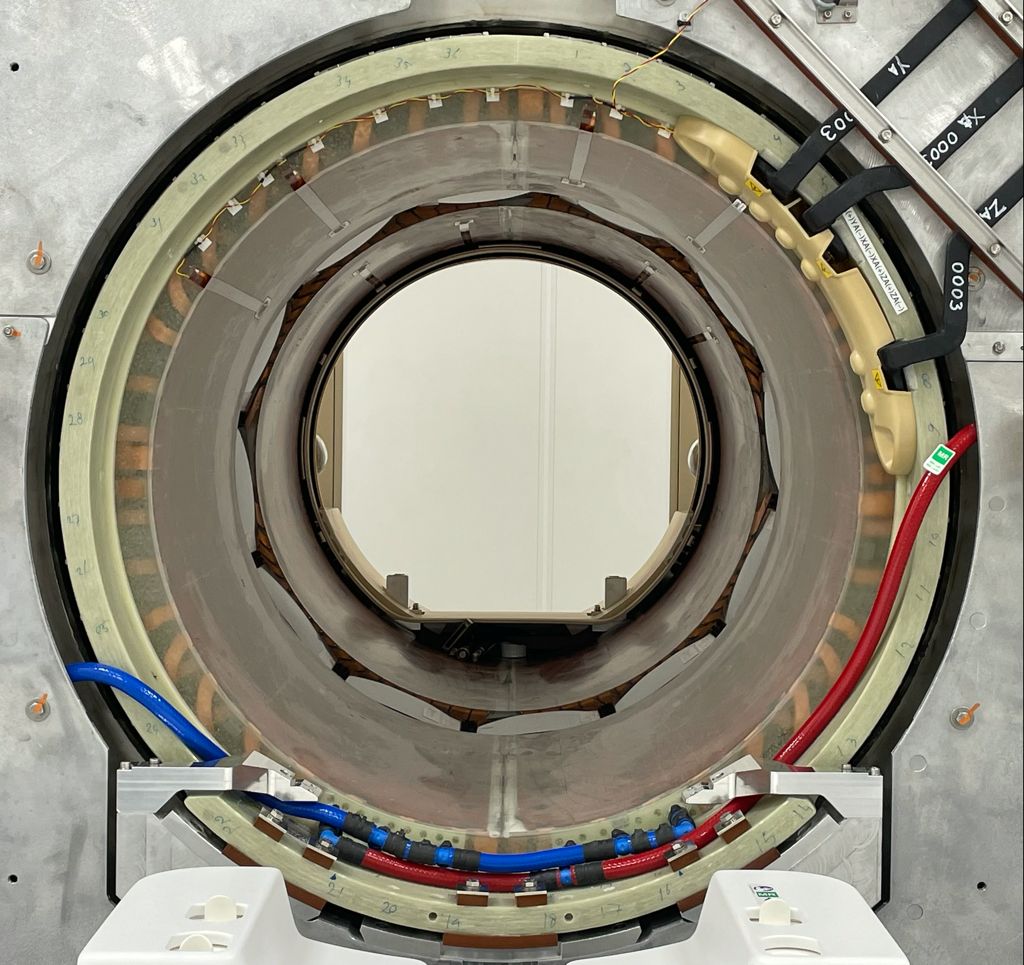
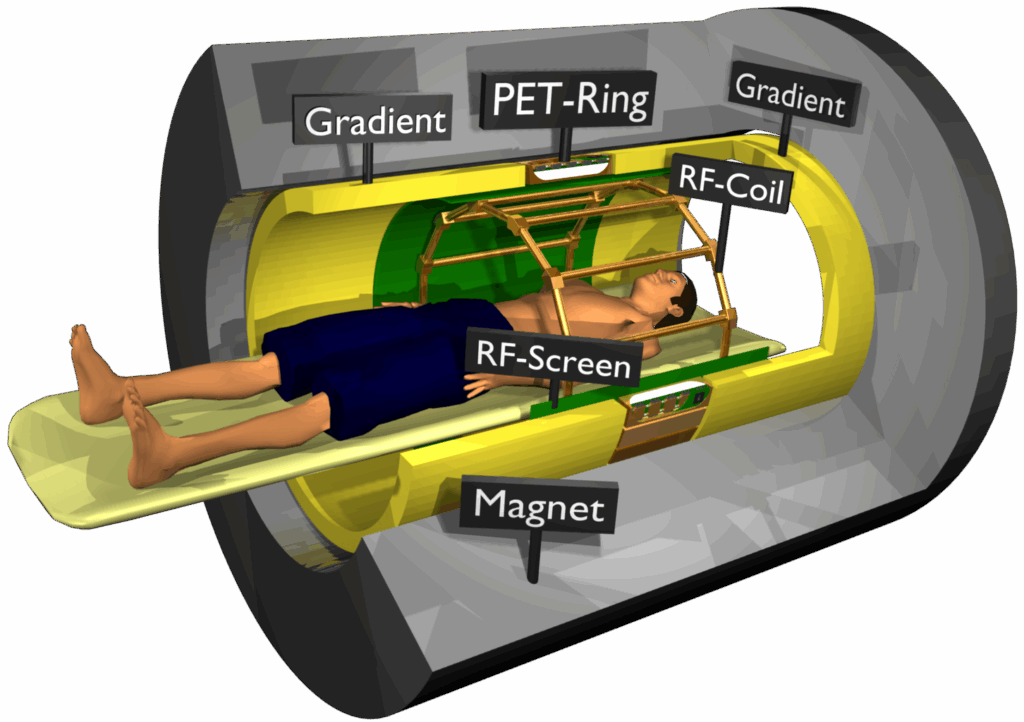
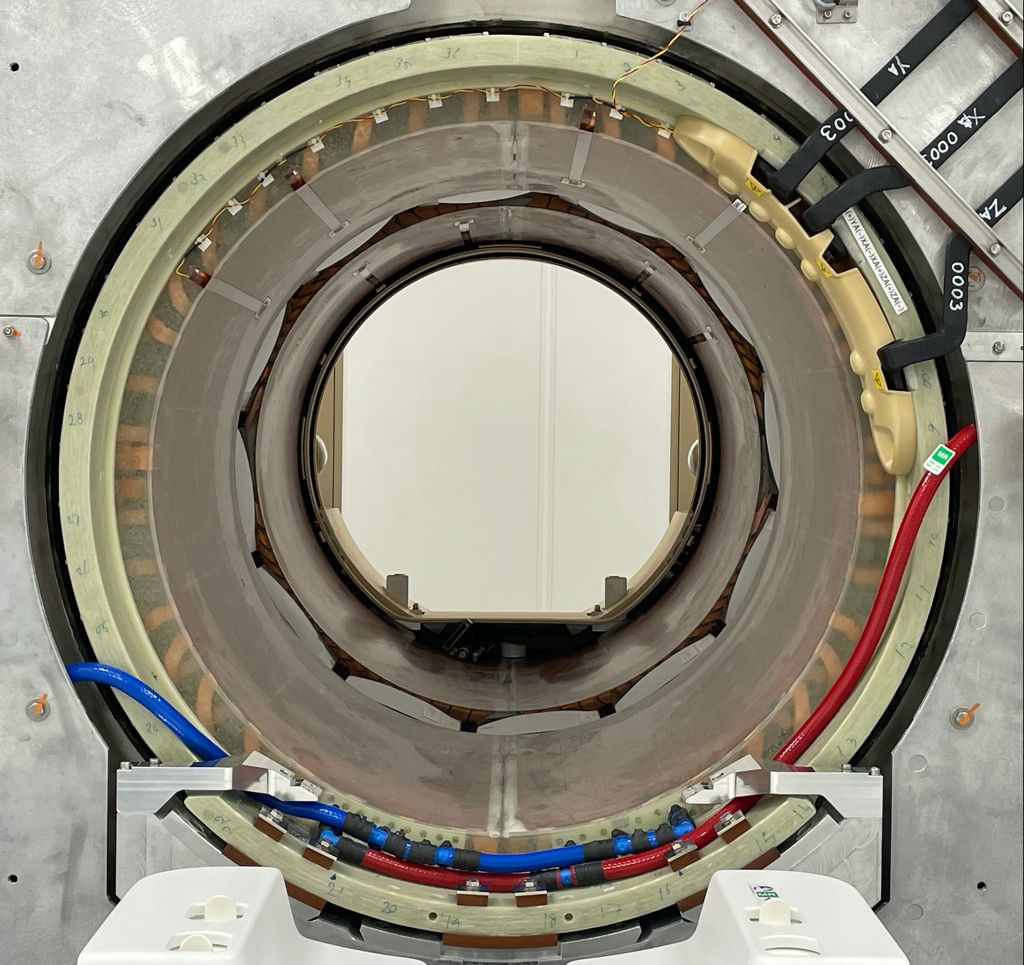
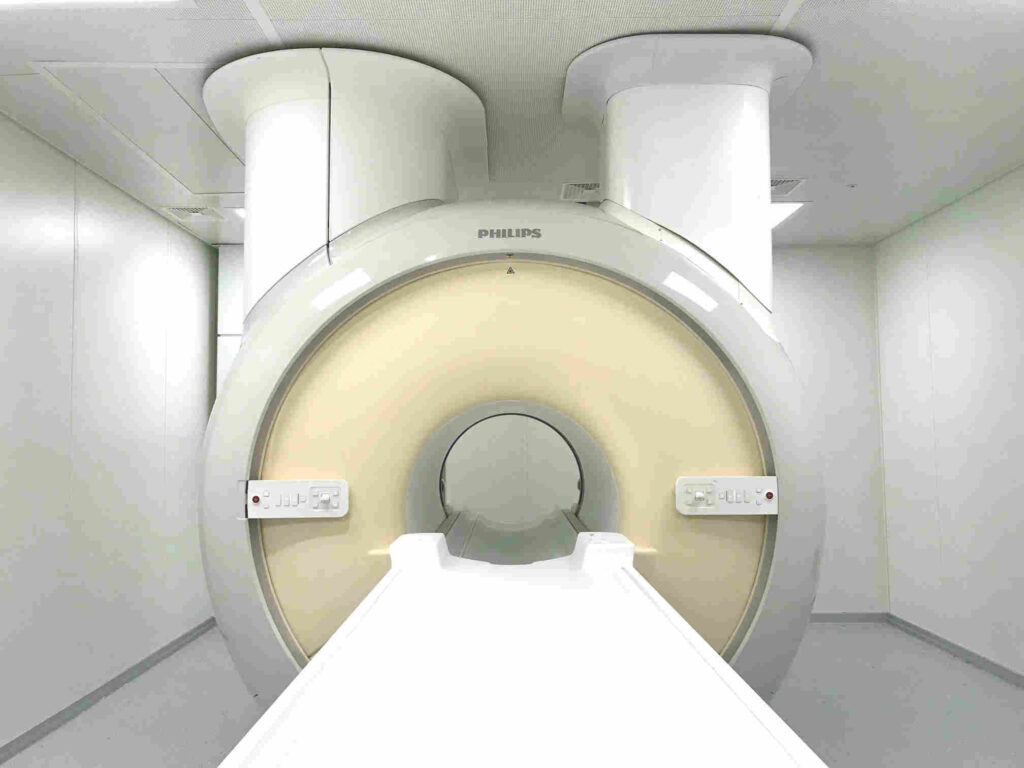
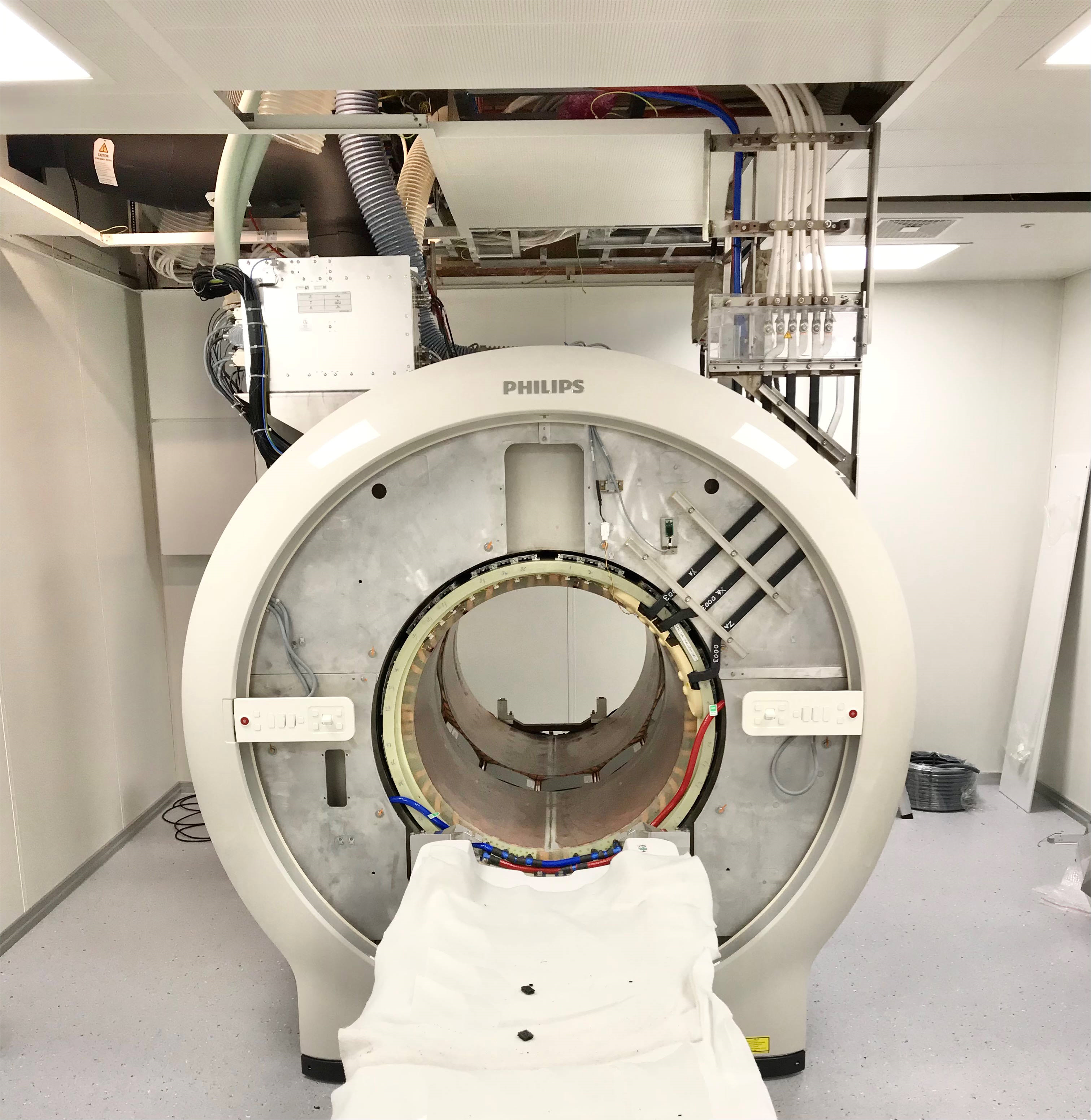
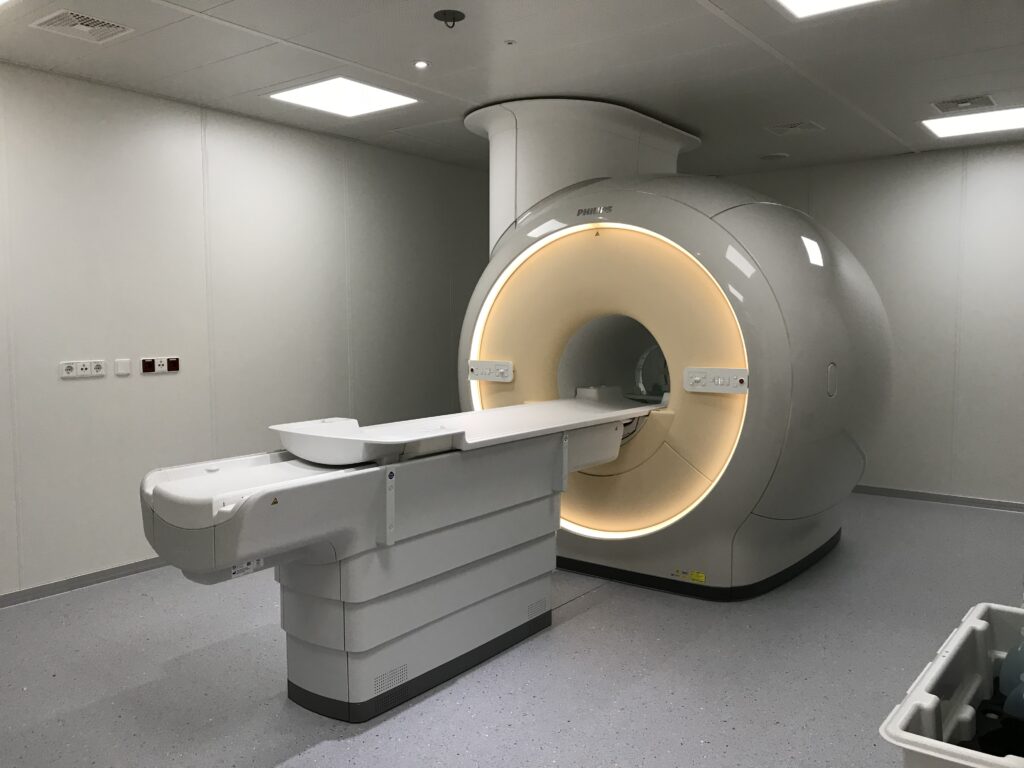
The design of the prototype facilitated this vision. The system offered a 70 cm bore size and PET detectors mounted in the gap of a split gradient coil. Its MRI hardware was largely shared with our MR-linac system: both used a 1.5T magnet and identical hardware such as the gradient coil, body coil and amplifiers. This shared hardware resulted in near-identical image quality and patient positioning between the two systems, enabling a spatially accurate transfer of pathophysiological information from the PET/MRI prototype to the MR-linac. Both systems were built explicitly to track patient motion and adapt treatment accordingly.
Partners
Realizing the prototype was very much a team effort — a nice showcase of what a multidisciplinary academic-industry consortium can build together:
- Uniklinik RWTH Aachen (DE)
- Philips Healthcare (NL)
- Futura Composites (NL)
- UMC Utrecht (NL)
- Hyperion Hybrid Imaging Systems (NL)
Innovation in design
Split gradient
RF shielding
Simultaneous MRI and PET imaging
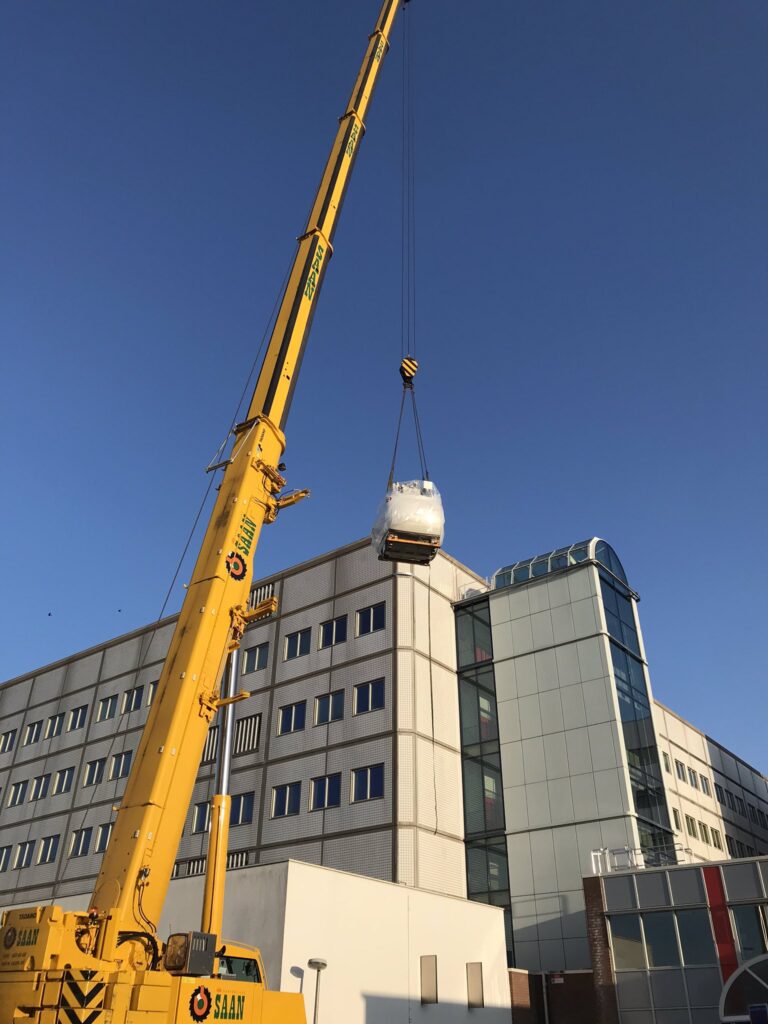
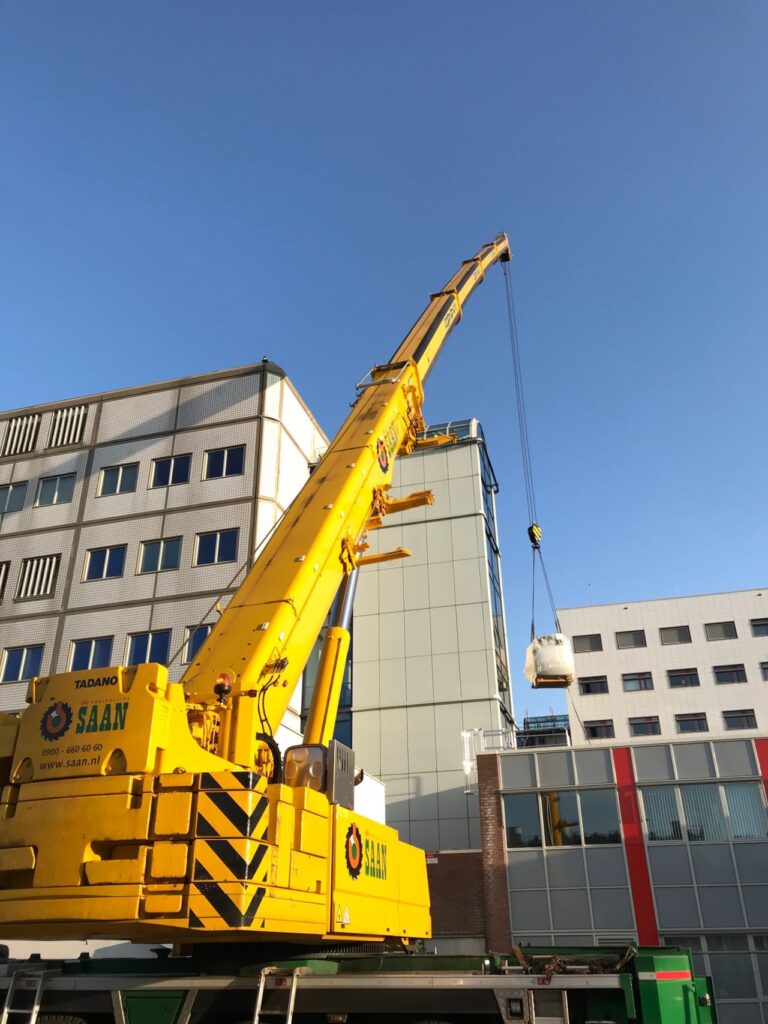
Installation
In the news
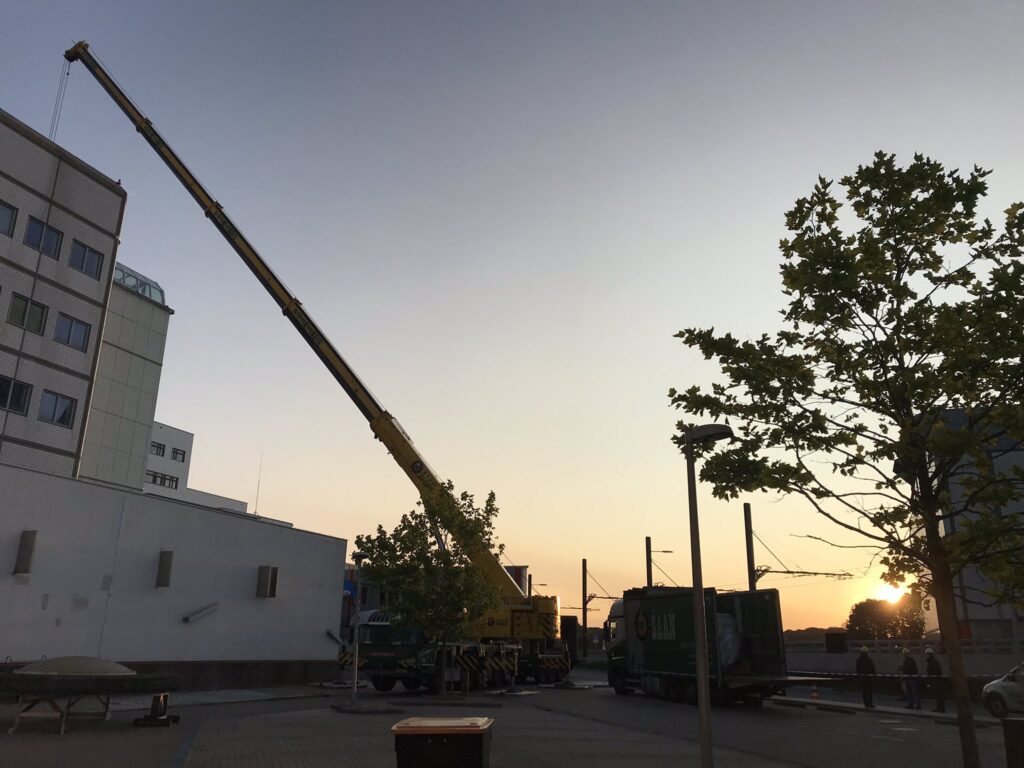
Examples of news releases on the installation and rationale behind the MRI/PET system