Removing the blur from medical images
For meaningful applications

Unsedated pediatric imaging
Sedation for children younger than 7 years of age is typically needed. However, anesthetic agents are neurotoxic. Instead of physically or pharmaceutically immobilizing the patient, advanced motion correction techniques enable scanning without sedation.
Beat-by-beat cardiac imaging
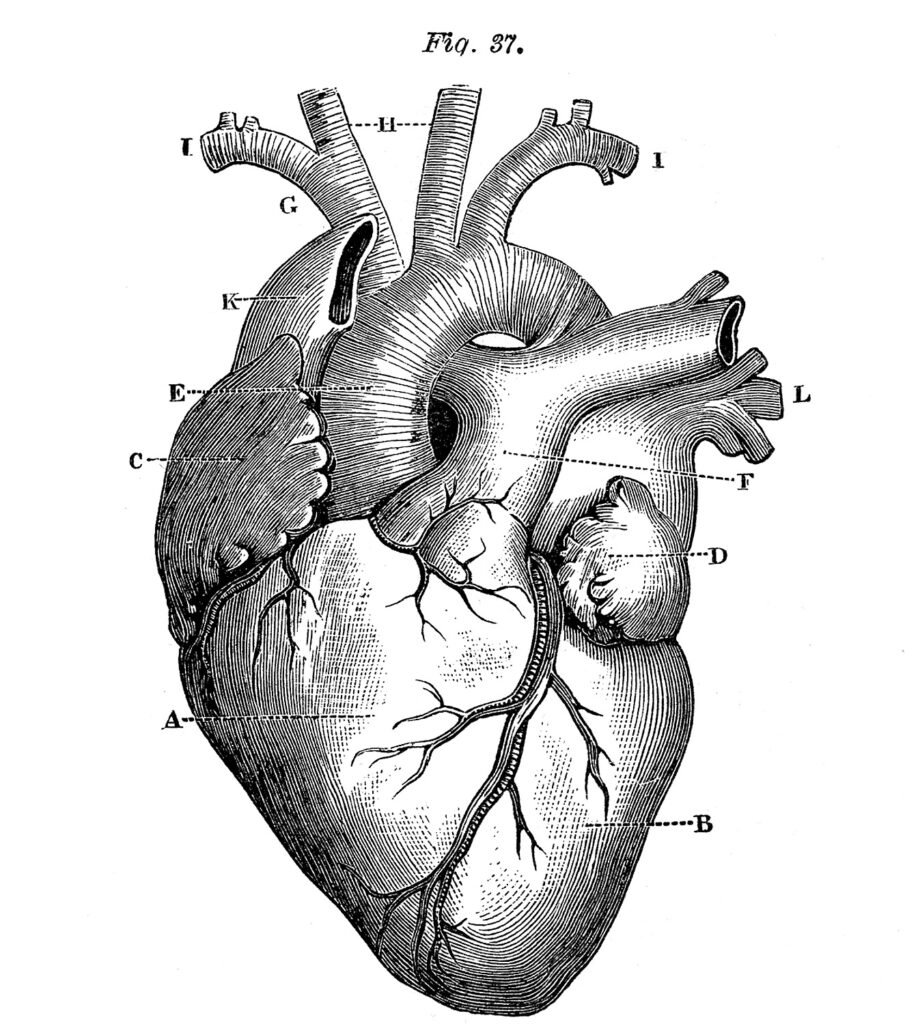
In cardiac imaging, depicting both the anatomy and its motion is of equal importance. Beat-by-beat cardiac imaging offers unprecedented quantitative imaging possibilities in arrhythmic cardiomyopathies.
PET- and SPECT-guided radiotherapy
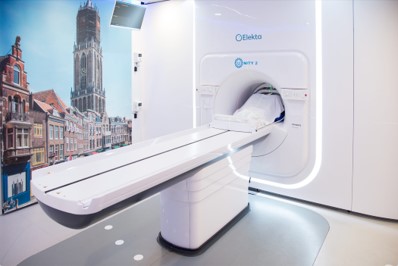
PET- and SPECT-guided radiotherapy offers unique possibilities to integrate functional information into the radiotherapy workflow. Visualizing and mitigating the effects of all motion during both target definition (PET/SPECT) and irradiation (MR-linac), will greatly enhance the precision of biology-guided radiotherapy
Embracing motion
Our approach to motion
In medical imaging, motion has traditionally been viewed as an obstacle – an artifact to be suppressed, corrected or avoided. We embrace motion.
Motion model
Uniquely ‘fitting’ a motion model to very short timeframes, simultaneously compensates for and retrieves motion.
From tomographic image to video
Transforming tomographic images into videos stands to redefine how motion during imaging is understood and utilized.
Visualizing motion across modalities
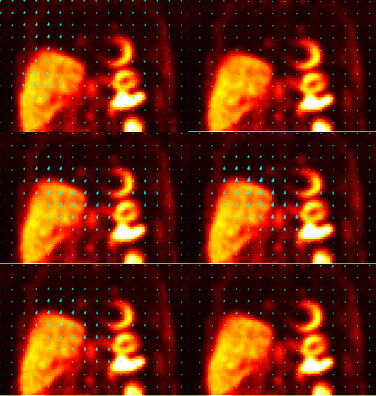
PET
Rodrigo Jose Santo
PET-MOTUS: 500 ms non-rigid motion estimation and correction for PET imaging
High-frequency joint motion and image estimation, with non-rigid motion estimation directly from very low-count projection data
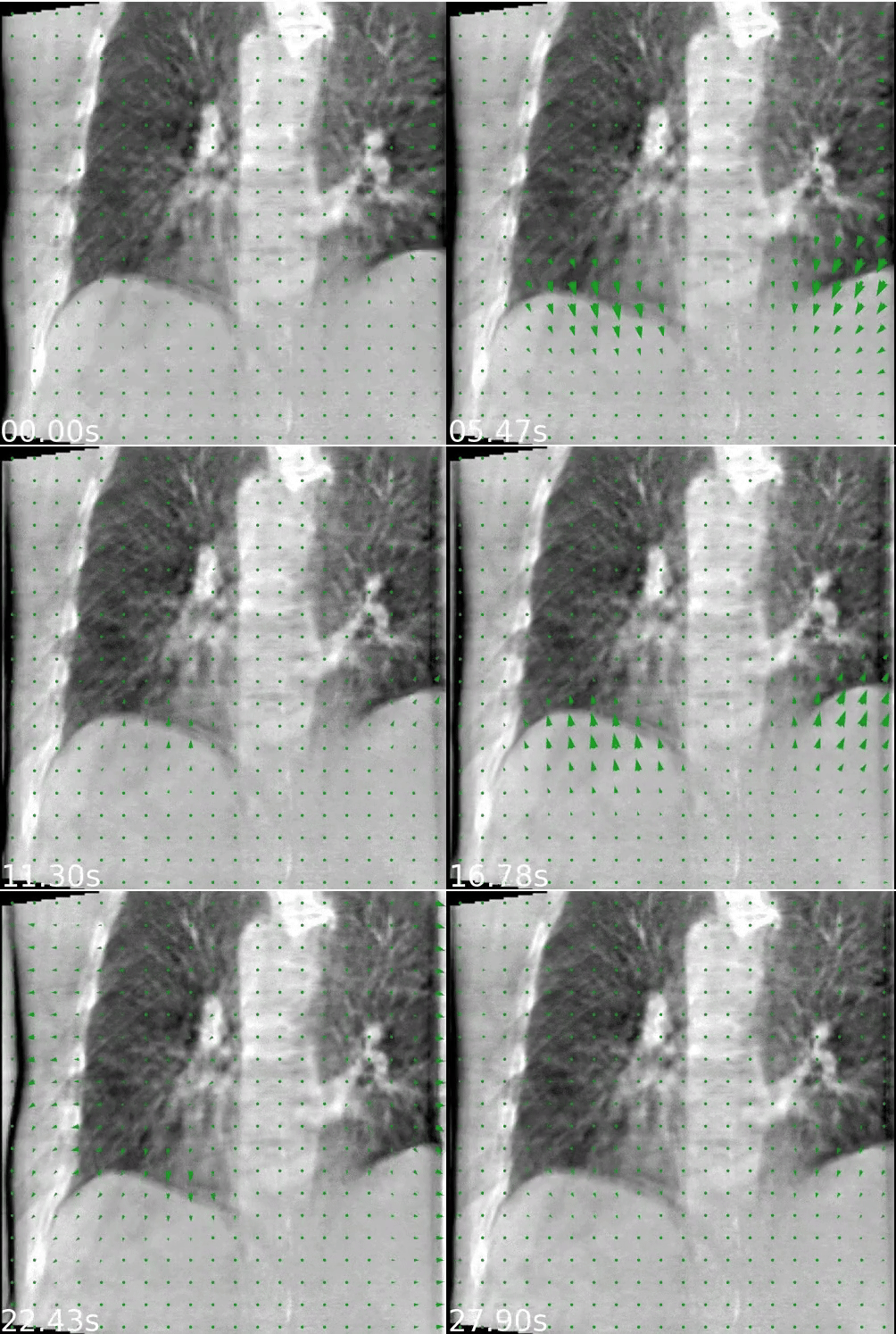
CBCT
Ethan Waterink
Gate-less reconstruction of motion and images, thereby estimating and correcting for all non-rigid 3D motion at high temporal frequency (per-projection temporal resolution of 182 ms)
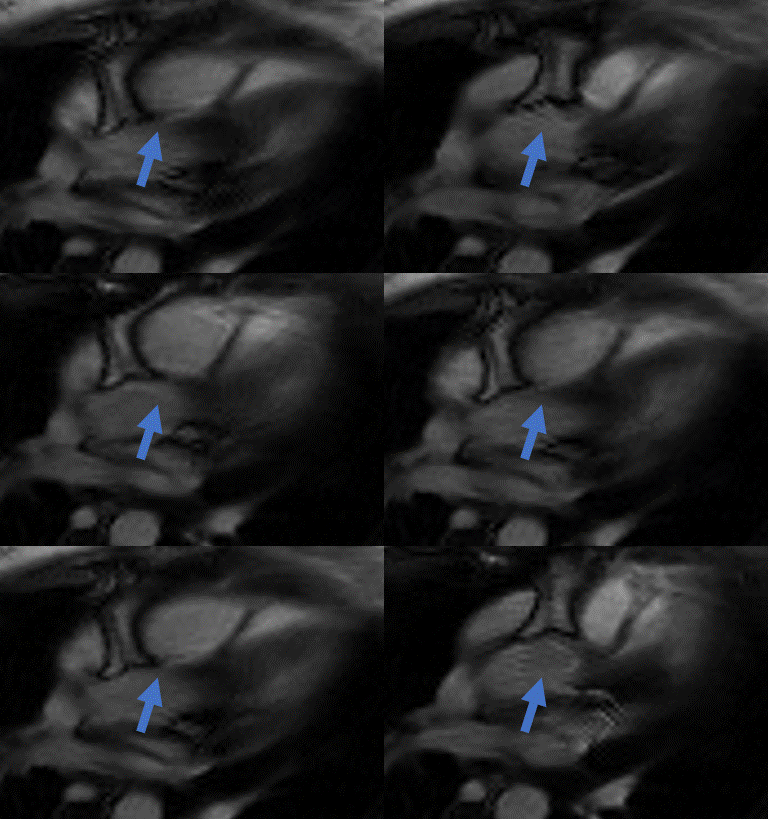
MRI
Thomas Olausson
Joint reconstruction framework alternates between solving for time-dependent image contrast changes and motion fields, eliminating the need for a pre-acquisition motion-static reference image.